
Summer: Rutgers- Primates, Ecology, and Conservation in Indonesia
The Program
Study sustainable approaches to forest, wildlife, and marine management and see one of the last remaining populations of Javan rhinoceros in Ujung Kulon National Park.
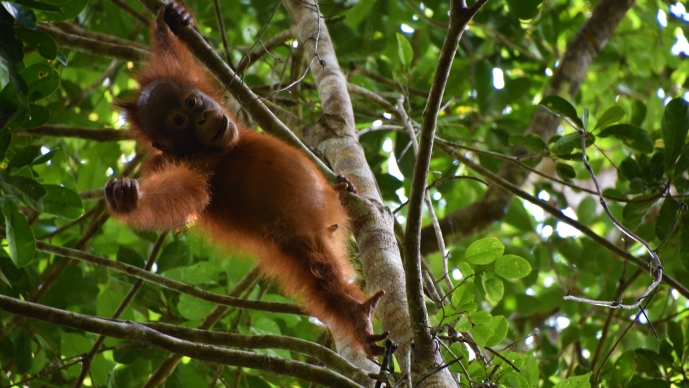
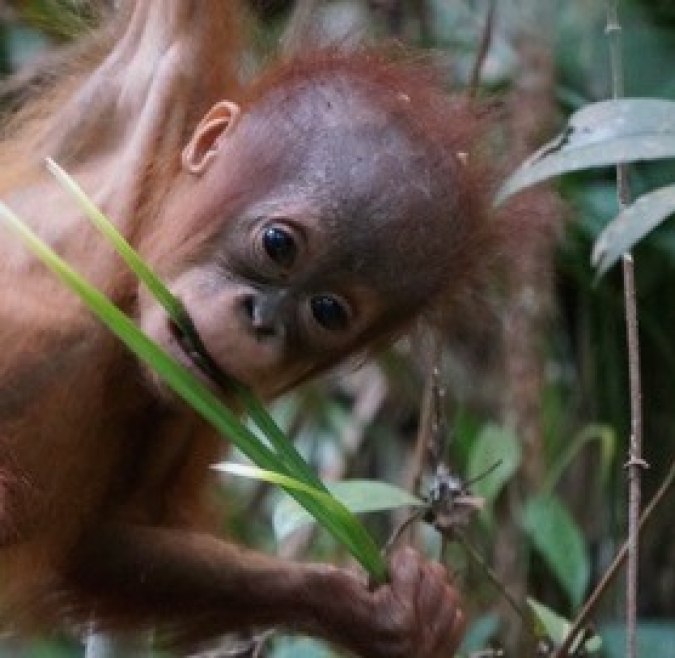
Participate in the collection of behavioral data on wild orangutans, quantification of habitat characteristics, and the collection of biological samples. Participate in a field course with faculty and students from Universitas Nasional Jakarta (UNAS) and explore a variety of different views on important global issues.
Program Locations
Indonesia
Various
The 17,508 islands of the Indonesian archipelago are the home of nearly 250 million people, each of whom have their own distinct cultural identity yet have a strong sense of Indonesian identity. Indonesia supports a wide variety of highly unique flora and fauna that make their home in the temperate climate and fertile soil. The country pursues a moderate, tolerant growth strategy and is the third largest democracy in the world.
Academics
This educational program offers a unique opportunity for students to gain a hands-on, transformational experience that will prepare them to address biodiversity and sustainability challenges in Indonesia and beyond. The program consists of two courses: “Advanced Primate Behavior and Ecology” and “Applied Conservation and Ecosystem Management,” each approximately 10 days in duration, and led by emerging leaders in the field.
The first course will take place at Tuanan Biological Research Station in Central Kalimantan on the island of Borneo. This is a remote research station where students will have the opportunity to interaction with researchers from around the globe. Students will learn how to collect behavioral data on wild primate populations (orangutans and gibbons), quantify biodiversity and habitat characteristics of tropical environments, collect biological samples, use GPS units and GIS software to generate maps, conduct interviews and short assessments in 2 villages about biodiversity conservation, and analyze and summarize data in the form of a scientific report. During this section of the trip, students will conduct group research projects and prepare their results for a presentation towards the end of the trip in Jakarta.
The second course will take place on the island of Flores and will focus on applied issues in biodiversity management and conservation, including human-wildlife conflicts, community-led restoration, and long-term sustainability of massive tourism. This is a new component of the course that Dr. Vogel and Dr. Ramenzoni (Rutgers University), along with Dr. Suci Utami Atmoko (UNAS), have been planning for the past two years. Given the unique cultural and environmental heritage sites in Flores, we will conduct 5 to 6 field-based activities and field trips. Activities include visits to community-led coral project restoration in Labuan Bajo; meetings with managers of Komodo National Park who are responsible for overseeing all tourism and protection activities for the area; an exploration of traditional villages in Bena and Ruteng where students will participate in traditional ancestor ceremonies; a visit to Komodo National Park home to Komodo dragons, the coral pink beach and sand banks between islands, along with coral reefs teeming with manta rays, sharks, turtles; a visit to Rana Mese park (volcanic lake and macaques); a visit to Manu Lalo and mount Inerie, an active volcano; and a visit to the 17 Islands National Park in Riung for bat observation and coral reef snorkeling in coral recovered areas after massive fishing and non-sustainable practices of coral blasting. In addition, students will visit Liang Bua, where they will receive an introduction to the site where Homo floresiensis was first discovered and potentially talk with the Indonesian archaeologists working at the site. At the end of the course, students will present their experiences in a group PowerPoint presentation to faculty and students at Universitas Nasional.
Housing and Meals
For all portions of this course, meals will be provided. If students want to purchase extra snacks and food, there will be opportunities for them to visit local supermarkets. In all locations, bedding (sheets, pillows, blankets if necessary) will be provided, although students are welcome to bring their own sheets, pillows, and blankets/sleeping bags if they prefer.
- Jakarta: Students will stay at a small hotel in close proximity to UNAS.
- Palangkaraya: Students will stay at a hotel. Meals will be purchased at local restaurants. Students will be responsible for 1 dinner on their own.
- Tuanan: Students will stay in dorms at the research station. Meals will be prepared and served at the station. When students are on field excursions, packaged lunches will be provided.
- Jogjakarta: Students will stay at a hotel. Meals will be purchased at local restaurants.
- Kepulauan Seribu: Students will stay in a hotel. Meals will be provided by the hotel or prepared by local community members
Vaccinations
Students should consult the CDC website for recommendations on vaccinations. You can also ask Dr. Vogel for recommendations. Students can make an appointment with a doctor at Hurtado health center or their regular medical provider. Some vaccinations might not be covered by your insurance and will result in out-of-pocket costs.
Financial Information
Program Costs
| NJ Resident | non-NJ Resident | |
|---|---|---|
| Undergraduate | $5,430 | $6,140 |
Program Cost includes:
• Tuition
• Housing
• Most Meals
• Excursions
• In-country Transportation
• Administrative Fees
• Emergency Insurance Abroad
Out-of-Pocket Costs
| Airfare | $1,800 |
| Extra Meals | $100 |
| Books and Classroom Materials | $50 |
| Personal Expenses | $200 |
| Total | $2,150.00 |
Out-of-Pocket Cost includes:
The above costs are estimations and represent the known out-of-pocket costs students encounter during their time abroad.
Some of these expenses will be paid for prior to going abroad, such as an airline ticket and visa costs, while some of these expenses, such as meals and local transportation, will be paid in-country as part of your daily expenses. As you plan, you will need to budget these costs and spend wisely throughout your time abroad.
Scholarships
Student Spotlight
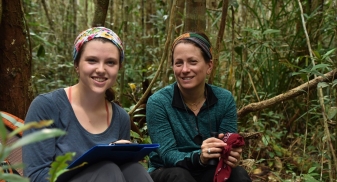
"Summing up my experiences in Indonesia in such a short space will be quite a challenge since everyday there was filled with monumental moments. But, if I had to pick out something that tied each day to the next and impacted me throughout the three weeks and since I’ve returned, it would be the passion for research, conservation and the world around them that each new person I met exuded. From our own Dr. Vogel, leader of the trip and 15+ year researcher in the jungles of Borneo, to the Indonesian born research assistants, the multiple conservation efforts we were privileged enough the witness simply couldn’t continue without the work of these people."